
Overview
Electrical stock has the highest retail values in the returns market and the highest processing demands. This representative example looks at a single electrical returns pallet and works through the numbers honestly, including the costs most calculators leave out.
Electricals reward buyers who test properly and punish buyers who list untested goods. That is the whole story in one sentence.
The challenge
The buyer already sold homeware successfully but wanted higher average order values. Electricals offered that, with two obvious risks: functional faults, and the compliance responsibility that comes with selling electrical goods to UK consumers.
The stock
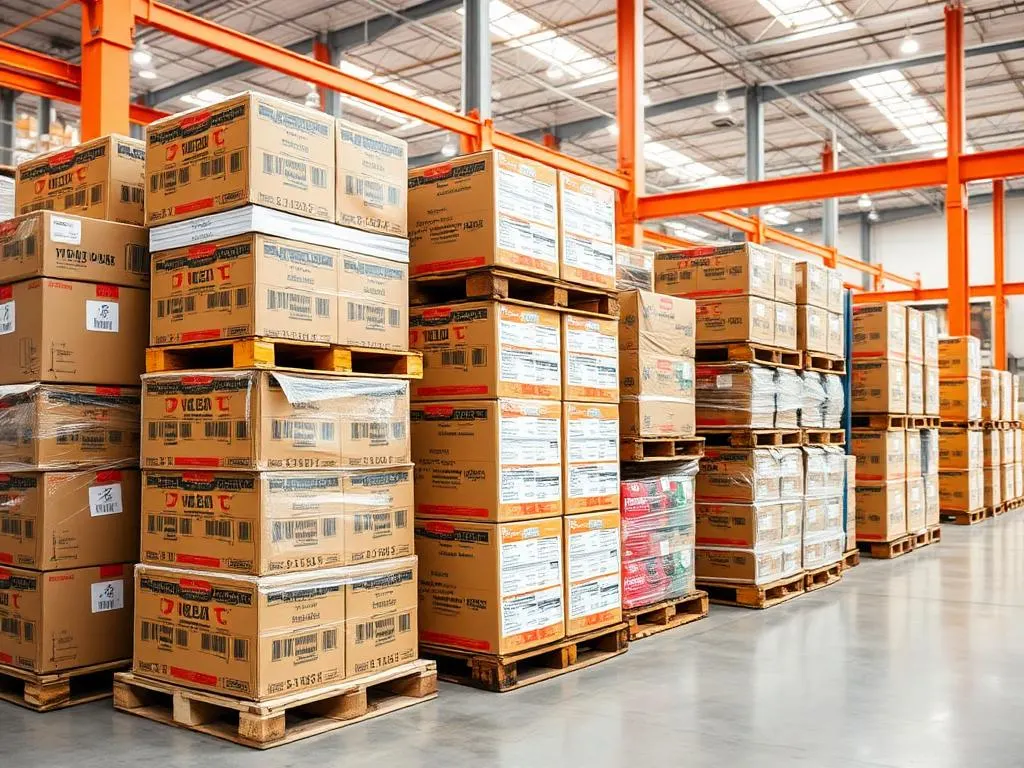
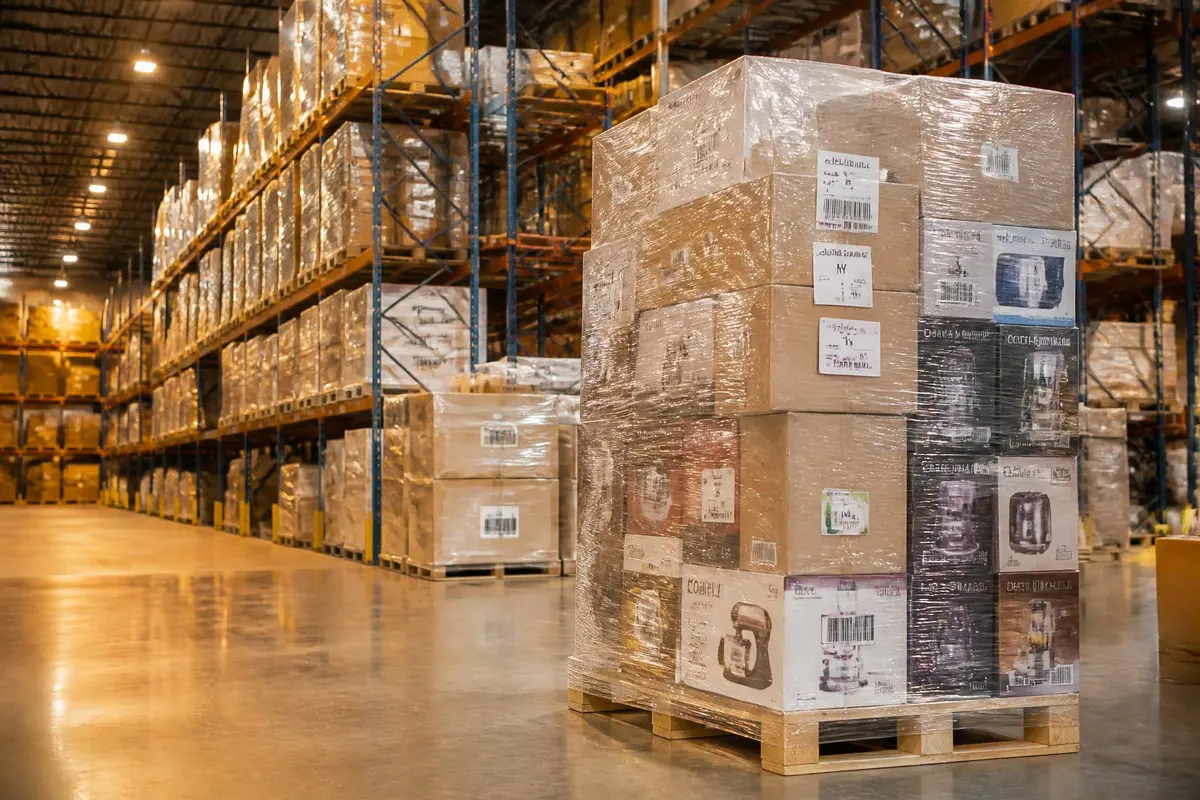
A representative electrical returns pallet contains small kitchen appliances such as air fryers, blenders and coffee machines; lighting including LED fittings and lamps; electrical accessories such as extension leads, adaptors and chargers; and a smaller share of consumer electronics like speakers, headphones and personal care devices.
Most of these arrive as change-of-mind returns with opened boxes. A minority have genuine faults, and a small number are missing accessories — a power lead or a mounting kit — which changes the resale route rather than eliminating the value.
Why Palletise was used
The buyer needed a lot described at category level rather than a mystery load, plus a supplier who could be asked direct questions before purchase. Electrical liquidation stock is listed on the liquidation stock page with condition detail so buyers can judge the testing workload before committing.
How the transaction worked
The lot was purchased online and delivered by pallet network. Before it arrived the buyer arranged a PAT testing appointment and set aside two working days for inspection, testing and photography.
What happened to the stock
Everything was powered up and function-tested. Working items with damaged packaging were listed as open-box with clear photographs of the actual unit. Items missing accessories were either completed with inexpensive generic parts or listed accurately as incomplete.
Genuinely faulty units were separated. Some were sold as spares or repairs — a legitimate and well-supported market on eBay — and the remainder went to WEEE recycling. Never list untested electricals as working.
Commercial outcome
On the illustrative figures above, £4,200 of recoverable stock generated approximately £3,320 of gross return after £1,180 of testing and selling costs, against a £1,600 purchase — an indicative gross profit of £1,540 and an indicative ROI of 96%.
That is lower than the mixed general merchandise example, and deliberately so. Electricals carry higher unit values but also higher handling costs, higher return rates and more time per item. Potential return is based on the example resale values shown, not on guaranteed outcomes.
What made the opportunity work
Testing discipline protected the seller's marketplace account, which is the real asset in this business. Accurate open-box listings produced fewer returns and better feedback, which in turn supported higher prices on later stock.
Lessons for other buyers
Cost the testing time before you cost the profit. Understand your obligations as a business seller of electrical goods, including consumer rights on returns and safe disposal of faulty units under WEEE rules.
Higher retail value does not mean higher margin. Compare electricals against your homeware sell-through before deciding which pallet to buy next.
Could Palletise work for you?
If you can test, photograph and describe electrical goods properly, electrical returns and clearance lines can be a strong category. Browse current electrical and clearance lots, or apply for a trade account for priority access to new loads.
Common questions
Are electrical liquidation pallets worth buying in the UK?
They can be commercially viable for sellers who test every unit and describe condition accurately. They are not suitable for buyers who cannot test, because untested electricals should never be sold as working.