
Overview
Excess inventory is usually discussed as a space problem. It is really a finance problem: capital that was converted into goods and has not converted back. This representative case study looks at clearance from the finance director's side of the table.
The challenge
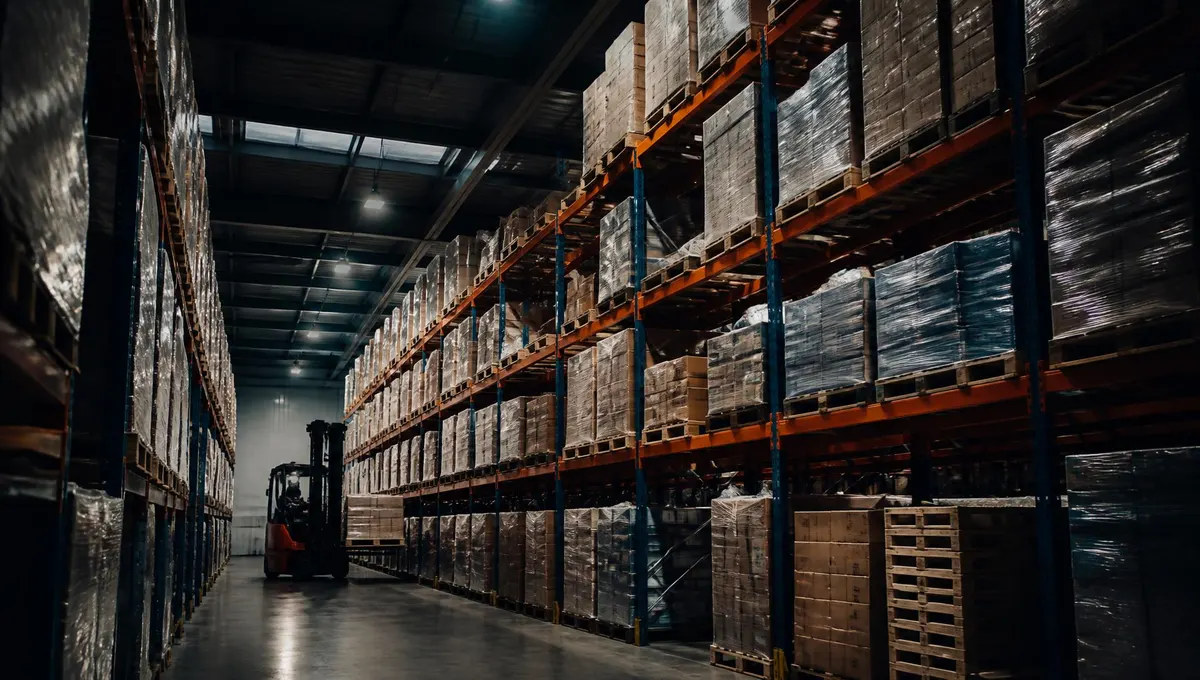
A range rationalisation left around 120 pallets of inventory with no forward demand. The stock was carried at cost in the accounts, occupied racking that newer lines needed, and consumed handling and counting time every quarter.
The stock
Mixed categories in sound condition, largely in original packaging, with a proportion of part-pallets and broken cases — the awkward residue that a full-price channel cannot absorb.
Why Palletise was used
The business wanted certainty and speed: one offer, one collection programme, one settlement. Piecemeal disposal through several small buyers would have taken months of management time for a marginally different figure.
How the transaction worked
A stock list with quantities, cost values and condition notes was reviewed, followed by a warehouse visit and an offer for the whole holding. Collections ran across three weeks in scheduled loads.
What happened to the stock
Stock was consolidated, re-palletised into saleable lots and released into the secondary market to resellers and independent retailers over the following weeks.
Commercial outcome
Cash was released against inventory that had no forward sales plan, recurring storage cost was removed, and the quarterly stock count became materially simpler. Any clearance realises less than original cost — the commercial question is what the stock is worth today versus what it costs to keep holding it.
What made the opportunity work
Accurate data. A clean stock list with quantities and honest condition notes produced a firm offer in days rather than weeks of back-and-forth.
Lessons for other sellers
Include the full carrying cost in the decision: storage, handling, insurance, counting time and the opportunity cost of tied-up capital. Clear in whole holdings where possible. Act while the stock still has secondary-market demand.
Could Palletise work for you?
Send a stock list and Palletise will review it and respond with a valuation and collection plan.
Common questions
Who buys surplus warehouse stock in the UK?
Secondary-market stock buyers purchase surplus, excess and redundant inventory in commercial quantities. Palletise buys whole-pallet and full-warehouse holdings and arranges collection nationwide.