
Overview
Every wholesaler carries stock that stopped moving. The commercial difficulty is rarely finding a buyer at some price — it is finding a route to market that does not undercut the customers who buy the same lines at full trade price.
The challenge
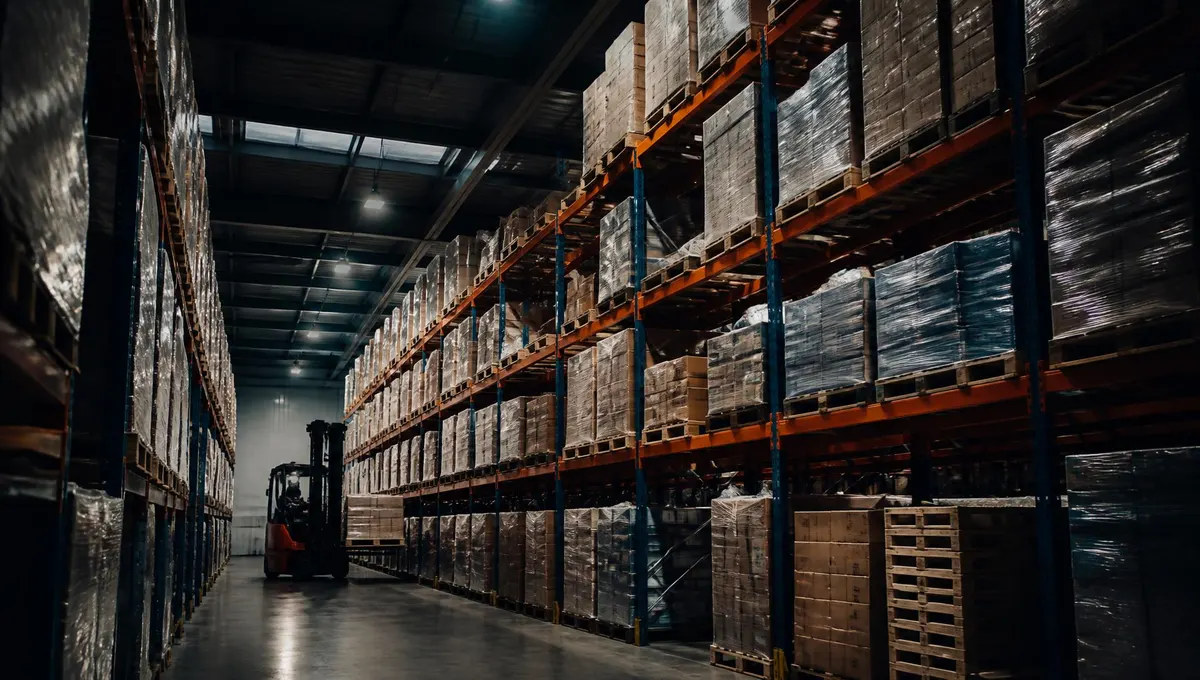
Roughly 180 pallets of ageing stock occupied prime racking. Discounting it through the existing trade list would have told loyal customers that patience is rewarded with lower prices, and would have depressed the value of live ranges.
Doing nothing carried its own cost: rent, handling, stock-count time and capital sitting still.
The stock
General merchandise across several categories, mostly in original retail packaging, some with outer-case damage from repeated relocation within the warehouse. Commercially sound goods that had simply been overbought against forecast.
Why Palletise was used
Palletise buys into the secondary market, which is a separate channel from the wholesaler's own trade customers. That separation is the point: stock is resold to buyers who were never going to purchase at trade list price.
How the transaction worked
The wholesaler supplied a stock listing with quantities and condition notes. Palletise reviewed it and made an offer for the whole holding rather than cherry-picking the best lines — which matters, because partial clearance leaves the hardest stock behind.
Collection was arranged in staged loads to suit the warehouse's own loading schedule.
What happened to the stock
Goods were re-palletised into commercial lots by category and condition, then listed to resellers, market traders and independent retailers through the Palletise marketplace.
Commercial outcome
The holding cleared in under four weeks, releasing around 180 pallet spaces and converting dormant inventory into cash. The published trade price list was never touched. Details here are representative of this type of project; every clearance is priced on the specific stock.
What made the opportunity work
A single buyer taking the whole holding, a clean stock list, and staged collections that did not disrupt normal operations.
Lessons for other sellers
Review ageing stock quarterly rather than annually — value decays. Provide accurate quantities and condition notes to get a firm offer quickly. And treat channel separation as a commercial asset, not just a tidy-up exercise.
Could Palletise work for you?
If you are holding surplus wholesale inventory, Palletise buys whole-pallet and full-warehouse quantities across the UK.
Common questions
Where can businesses sell excess wholesale stock in the UK?
Secondary-market buyers purchase surplus and end-of-line inventory in commercial quantities, usually by the pallet or by the whole holding. Palletise reviews a stock list, makes an offer and arranges collection nationwide.