
Overview
When a range is replaced, the old version does not stop existing. It sits in the warehouse competing with the new launch, and every discount used to shift it teaches the market what the new range is really worth.
The challenge
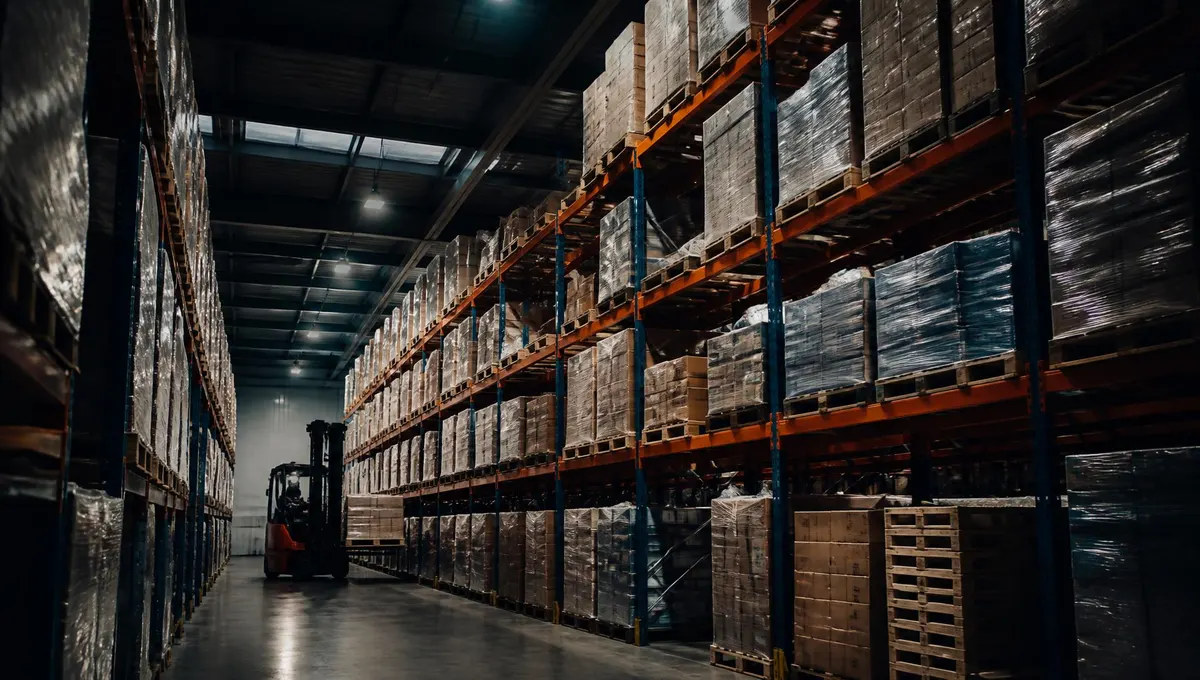
A supplier replacing a product family held around 90 pallets of the outgoing version, in perfect condition but in superseded packaging. Selling it through normal channels would have cannibalised the launch.
The stock
New, boxed, unused goods across several SKUs and pack sizes, including a proportion of retail display units and outer cases. Commercially obsolete to the supplier, entirely attractive to a value-led buyer.
Why Palletise was used
Secondary-market resale puts the stock in front of buyers who were never in the supplier's own channel. The old range reaches consumers without appearing on the supplier's price list next to the new one.
How the transaction worked
A SKU-level list with quantities was reviewed and an offer made for the complete holding. Collection was completed in two consolidated loads inside a fortnight, timed ahead of the new range's arrival.
What happened to the stock
Goods were split into commercial lots and sold to resellers, independent retailers and traders — channels where superseded packaging is not a barrier because the product itself is new and unused.
Commercial outcome
Racking was cleared before the new range landed, the launch went out at full price with no legacy discounting, and capital tied up in obsolete packaging was released. Representative of this project type; every clearance is priced on its own stock.
What made the opportunity work
Timing. Discontinued stock is worth most immediately after it is superseded and least after two years in a corner.
Lessons for other sellers
Plan the exit for the outgoing range at the same time as the launch of the new one. Clear whole SKUs rather than the easy part. And accept that a separate route to market is a pricing tool, not an admission of failure.
Could Palletise work for you?
If you are replacing a range, Palletise buys discontinued and end-of-line inventory in commercial quantities.
Common questions
How do I sell discontinued inventory?
Sell it through a channel separate from your core customer base — typically a secondary-market buyer purchasing by the pallet. This clears the stock without discounting your live price list.