
Starting a Business
£500, £1,000 or £5,000: what stock could a reseller buy?
There's no single right budget to start reselling with. What changes as the number grows is the range of choices and the room for error.
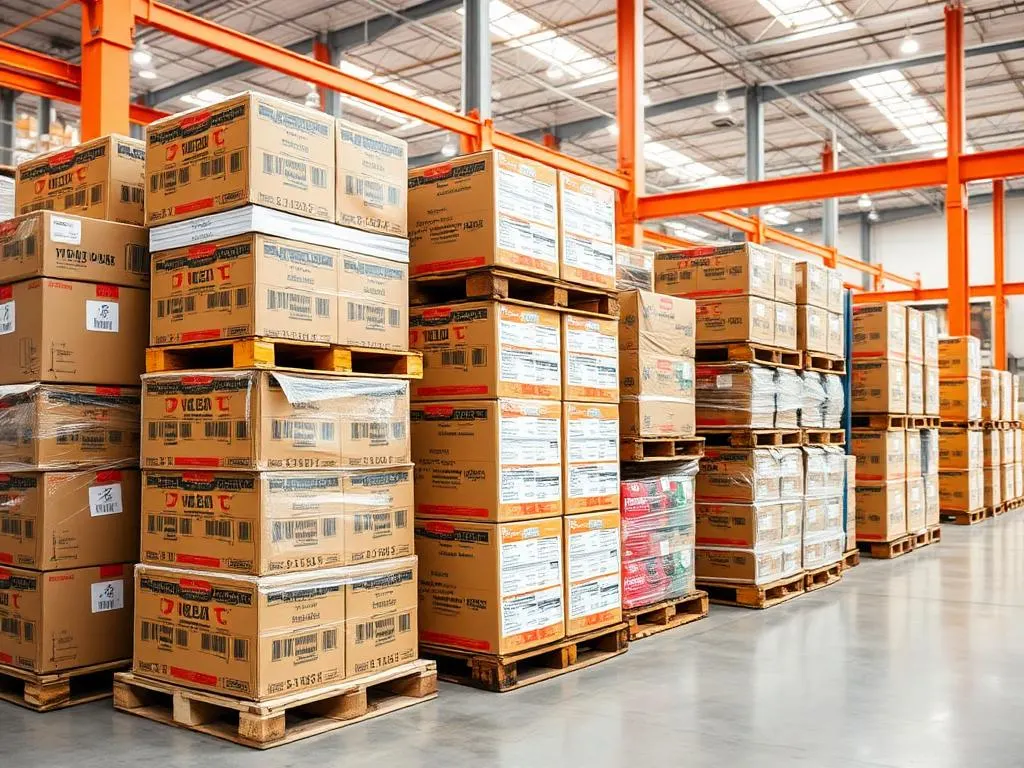
Budget doesn't determine success in resale, but it does shape what's realistic. A larger budget buys more room to spread risk across categories and lots; a smaller one demands sharper focus. None of the figures below guarantee any particular return — they describe typical approach, not typical profit. Think of them as four stages of maturity in how a reseller thinks about buying, rather than four price tags to aim for.
£500: proving the process
At this level, most resellers buy a single small pallet or a mixed box lot in one category they already understand. The goal is usually to learn the mechanics — sorting, testing, photographing, listing and posting — rather than to build a wide catalogue. Keeping to one category also makes it easier to judge realistic resale value.
This stage is really about building a repeatable routine: how long it takes to photograph an item properly, how you write a description that's accurate without underselling the stock, and how postage and packaging fit around the rest of your week. Getting that routine right matters more at £500 than squeezing out every last pound of margin.
£1,000: a bit more room to spread risk
A £1,000 budget can usually stretch to two smaller pallets, or one mid-sized lot with a bit held back for postage, packaging and any unexpected delivery costs. Some resellers use this stage to compare two categories side by side and see which suits their time and space better.
Holding some of the budget back rather than spending it all on stock is a habit worth building early. Delivery costs, replacement packaging and the occasional unsellable item all draw on that reserve, and having it available avoids the temptation to under-price stock just to recover cash quickly.
£2,500: starting to specialise
By this point, many resellers have a sense of which category, condition grade and price band works for them, and start buying with slightly more intent — for example, choosing manifested lots more often, or committing to a single niche rather than testing several. Storage becomes a real consideration rather than an afterthought.
Questions worth asking at this stage
- Which category has given the most consistent, least stressful results so far?
- Is storage space becoming a bottleneck, and would a smaller, faster-turning category help?
- Are certain marketplaces consistently outperforming others for this stock type?
£5,000 and above: operating like a small business
At this scale, buying tends to become more structured: tracking cost per unit, comparing suppliers, planning storage and cash flow across multiple purchases rather than one at a time. Some resellers begin treating stock buying as a recurring monthly activity rather than a one-off purchase, and may look at a trade account for more regular access to lots.
This is also usually the point where basic record-keeping stops being optional. Tracking VAT status, mileage, storage costs and any casual help you bring in becomes more important as turnover rises, both for your own decision-making and for keeping on the right side of tax obligations.
| Budget | Typical approach | Main risk to manage |
|---|---|---|
| £500 | One small pallet, single category | Overpaying relative to realistic resale value |
| £1,000 | Two lots or one mid-sized lot | Underestimating delivery and packaging costs |
| £2,500 | Specialising in a category or grade | Storage space and holding costs |
| £5,000+ | Multiple regular purchases, tracked costs | Cash flow if stock sells more slowly than planned |
What doesn't change with budget
- The need to check condition grades and manifests carefully before buying
- The value of understanding your chosen marketplace's fees and delivery times
- The fact that no pallet purchase comes with a guaranteed return
Scaling up without overreaching
The temptation at every tier is to jump straight to the next one before the current budget has properly sold through. It's usually more informative to let one purchase fully resolve — sold, returned, written off or bundled — before increasing spend, so each step up in budget is backed by evidence rather than optimism.
Worked example: putting a £1,000 budget to work
Figures below are illustrative only and do not represent a guaranteed outcome. They're included to show how a £1,000 budget might realistically be allocated, not what it will return.
| Item | Illustrative amount |
|---|---|
| Stock (one mid-sized pallet) | £700 |
| Delivery / kerbside drop | £80 |
| Packaging materials and postage buffer | £100 |
| Contingency for testing, cleaning or replacement parts | £70 |
| Held back, unspent | £50 |
The point of laying it out this way isn't the exact split, which will vary by category and supplier, but the habit of budgeting for everything around the pallet, not just the pallet itself. A buyer who spends the full £1,000 on stock alone with nothing held back for delivery or packaging often ends up either underpricing items to recover cash quickly, or paying those extra costs out of money earmarked for the next purchase.
Common budgeting mistakes at every tier
- Spending the entire budget on stock with nothing held back for delivery, packaging or postage
- Comparing pallet price to original RRP rather than realistic resale value when deciding what's affordable
- Reinvesting all proceeds from the first sale-through before confirming the category actually works for you
- Buying across too many categories at once at a small budget, which spreads learning too thin to be useful
- Underestimating how long stock can take to sell through, and needing the cash back sooner than planned
Reinvesting profit versus taking it out
Once a first pallet has sold through, there's a decision to make about whether to reinvest everything into the next purchase or to bank some of it. There's no universally right answer, but a reasonable approach is to reinvest enough to maintain or modestly grow your stock level, while setting aside a portion to cover irregular costs — a slow month, a larger-than-usual delivery charge, or simply building a buffer before scaling up. Growing spend faster than your evidence of what sells and at what price can outpace your actual understanding of the category.
Signs you're ready to move up a tier
- You can estimate resale value for a category reasonably accurately before a pallet arrives
- Your storage space and time comfortably handle your current volume without stock piling up unsold
- You've tracked cost per unit and sale price on at least one full pallet, so the next decision is based on evidence
- You have a reserve for delivery, packaging and slow-selling stock that doesn't rely on the next sale to cover it
Figures here are illustrative budget tiers, not a recommendation to spend a specific amount. Only buy stock with money you can afford to have tied up while it sells.
Frequently asked questions
Is £500 enough to start reselling?
It can be enough to buy a small pallet or box lot and learn the process, though the margin for error is smaller than at higher budgets.
Should I always buy the biggest pallet I can afford?
Not necessarily. It's often better to match pallet size to your available time and storage space rather than to your maximum budget.
When should I consider a trade account?
Once buying has become a regular, recurring activity rather than an occasional purchase, a trade account can make sense for more consistent access to stock.
Useful next steps
Not sure what to buy first?
Answer six questions and we will match you to suitable stock.
Stock alerts
Don’t miss the next stock drop
Get Palletise stock alerts, seller stories and buying guides sent to your inbox.
Stock you might be interested in
No wholesale lots stock is currently available — create an account to hear about future drops.
Related reading
Buying Guides
Buying your first pallet: the beginner's guide
A first pallet purchase involves more decisions than it looks like from the outside. Here's a grounded checklist to work through before you buy.
Starting a Business
How to turn £1,000 of stock into a repeatable resale operation
A repeatable process matters more than any single good pallet. Here is a structured approach to buying, inspecting, grading, listing, selling and reinvesting.

Buying Guides
Are liquidation pallets profitable in the UK?
Liquidation pallets can be profitable, but margin depends on more than the purchase price. Here is an illustrative worked example.