
Buying Guides
Buying your first pallet: the beginner's guide
Buying your first pallet can feel like a leap into the unknown. This guide breaks the decision into manageable parts so you go in with your eyes open.
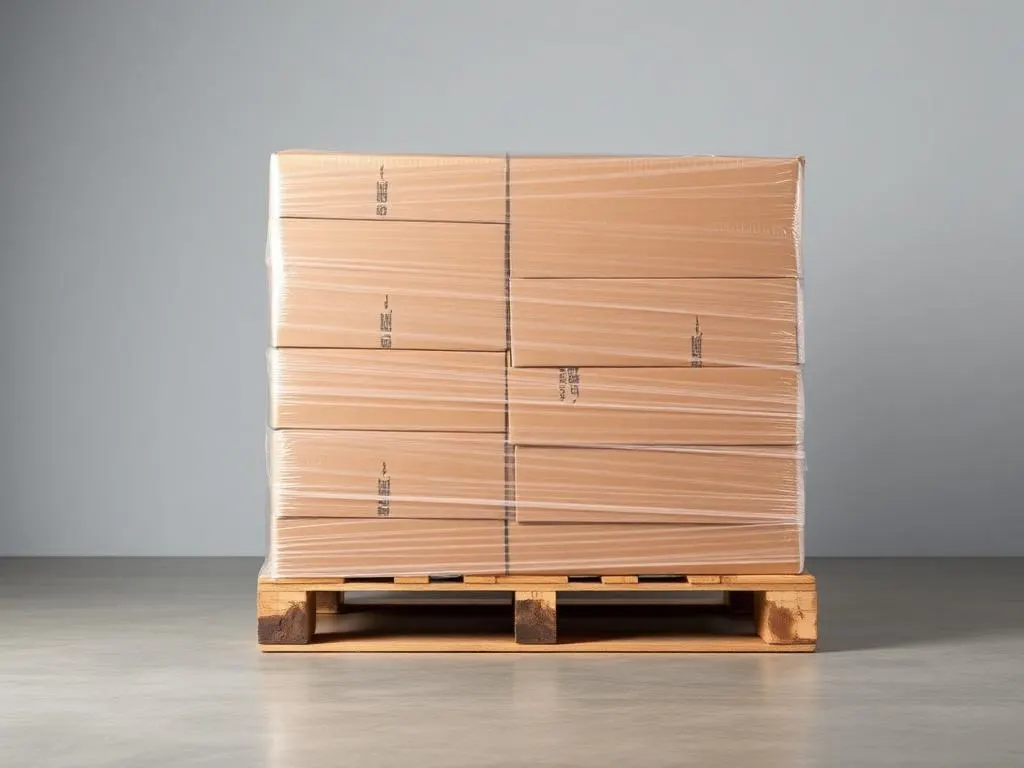
Most people's first pallet purchase happens in a hurry — a listing catches their eye, the price looks reasonable, and they click buy before thinking through what happens once it actually arrives. That approach isn't wrong exactly, but it skips a lot of the groundwork that makes the difference between a first pallet that teaches you something useful and one that just sits in a garage for six months. This guide sets out the questions worth answering before you commit any money, in roughly the order they matter.
Start with category, not with price
It's tempting to sort listings by lowest price and work down, but the more useful starting point is category. Homeware, electricals, clothing, toys and general merchandise all behave differently once you're trying to sell them on, so choose a category you can realistically research, store and list before you choose a price point.
- Do you already understand what this type of product typically sells for second-hand or as a return?
- Can you check items are safe and complete before relisting them?
- Do you have anywhere dry and secure to store them until they sell?
It's worth being honest with yourself here. A pallet of small electricals might look like better value on paper than a pallet of homeware, but if you've never tested a plug or checked a battery compartment before, you're adding a layer of risk that has nothing to do with the price you paid. Categories you already understand from your own shopping habits — clothing sizing, toy age ranges, kitchenware brands — are usually the easiest place to start.
Set a budget you can afford to learn with
First pallets are as much about learning the process as they are about margin. Choose a budget you would be comfortable seeing tied up in stock for several weeks while you work through sorting, testing and listing. Don't commit money you need back quickly — resale takes time, and no reputable seller can promise a fixed return.
A sensible way to frame this is to ask what you would do if the pallet took twice as long to sell through as you hoped. If that would cause a real problem, the budget is probably too high for a first attempt. Treat the first purchase as tuition as much as stock — the lessons about sorting, photographing and pricing are worth more long-term than the margin on any single lot.
Manifested vs unmanifested
A manifested pallet comes with a list of the items it should contain, which makes planning easier but usually costs more. An unmanifested pallet is sold by general description only, which lowers the price but increases the unknowns. For a first purchase, a manifested lot in a category you understand is usually the steadier starting point.
If you do go unmanifested, treat the description as a rough guide rather than a promise, and price your bid accordingly. Experienced resellers sometimes prefer unmanifested stock precisely because the lower price compensates for the uncertainty, but that's a judgement built on having sorted through enough pallets to price the risk correctly.
Understand the condition grade
Condition descriptions such as new/unopened, open box, graded customer return (A/B/C), cosmetic damage or faulty/spares tell you what to expect on arrival. Read the condition guide for the specific lot carefully — grading language can vary between suppliers, so check the definitions rather than assuming.
A quick way to sanity-check a grade
Before buying, look for any lot-specific notes that go beyond the headline grade — for example, whether particular items are flagged as untested, or whether a percentage of the pallet is expected to be faulty. These small details tend to matter more than the single-letter grade on its own.
Work out the real cost, not just the pallet price
| Cost | Why it matters |
|---|---|
| Delivery / kerbside drop | Pallet freight is priced by weight and location, and can be a meaningful share of total spend |
| Storage | Even a single pallet needs dry, secure space until it's sold through |
| Testing and cleaning | Electricals need power testing; textiles may need laundering before listing |
| Packaging and postage | Resale postage costs vary hugely by item size and weight |
| Marketplace fees | Selling fees reduce what you actually keep from each sale |
A common beginner mistake is adding up the original retail price of every item on a manifest and comparing that total to the pallet price. That comparison always looks flattering and is almost never realistic, because graded and returned stock sells at a fraction of RRP. Building your own rough per-item resale estimate from actual sold listings gives a far more honest picture before you buy.
Decide where you'll sell before you buy
Marketplace choice affects fees, buyer expectations and how quickly stock moves. It's worth deciding roughly which channel — for example a general marketplace, a local one, or a dedicated online shop — suits the category before the pallet arrives, so you're not improvising once boxes are on your floor.
Plan the practical logistics
- Check whether the delivery vehicle can access your property, or whether you'll need a kerbside drop and a way to move the pallet from there
- Have basic tools ready — box cutters, packing tape, a phone with a decent camera for listing photos
- Set aside a clear, dry area to sort items before they go into storage or straight to listing
- Decide how you'll dispose of packaging waste, since a single pallet can generate a surprising amount of cardboard and plastic wrap
Accept the risk honestly
Pallet buying carries genuine risk: some items may be faulty, incomplete, or slower to sell than expected. No seller can guarantee a profit on any lot. Treat your first pallet as a controlled trial — small enough that a disappointing outcome is a lesson, not a setback.
It also helps to decide in advance what you'll do with items that don't sell within a reasonable window. Some resellers bundle slow-moving stock into job lots, others donate or recycle genuinely unsellable items. Having a plan for the tail end of a pallet, not just the easy wins, makes the whole exercise feel less open-ended.
This guide is general information, not financial advice. Always check the specific condition grade, manifest and delivery terms for the listing you're considering.
Frequently asked questions
How much should I spend on my first pallet?
There's no fixed figure — choose an amount you can afford to have tied up for several weeks while you learn the sorting and listing process.
Is a manifested pallet always better for beginners?
It's often steadier because you know roughly what to expect, but it usually costs more per unit than an unmanifested lot.
What should I do with items that don't sell?
Decide in advance whether you'll bundle slow-moving stock into job lots, hold it for a seasonal sale, or pass it on, rather than letting it sit indefinitely.
Useful next steps
Browse available stock
Pallets, job lots and full loads currently available through Palletise.
Stock alerts
Don’t miss the next stock drop
Get Palletise stock alerts, seller stories and buying guides sent to your inbox.
Stock you might be interested in
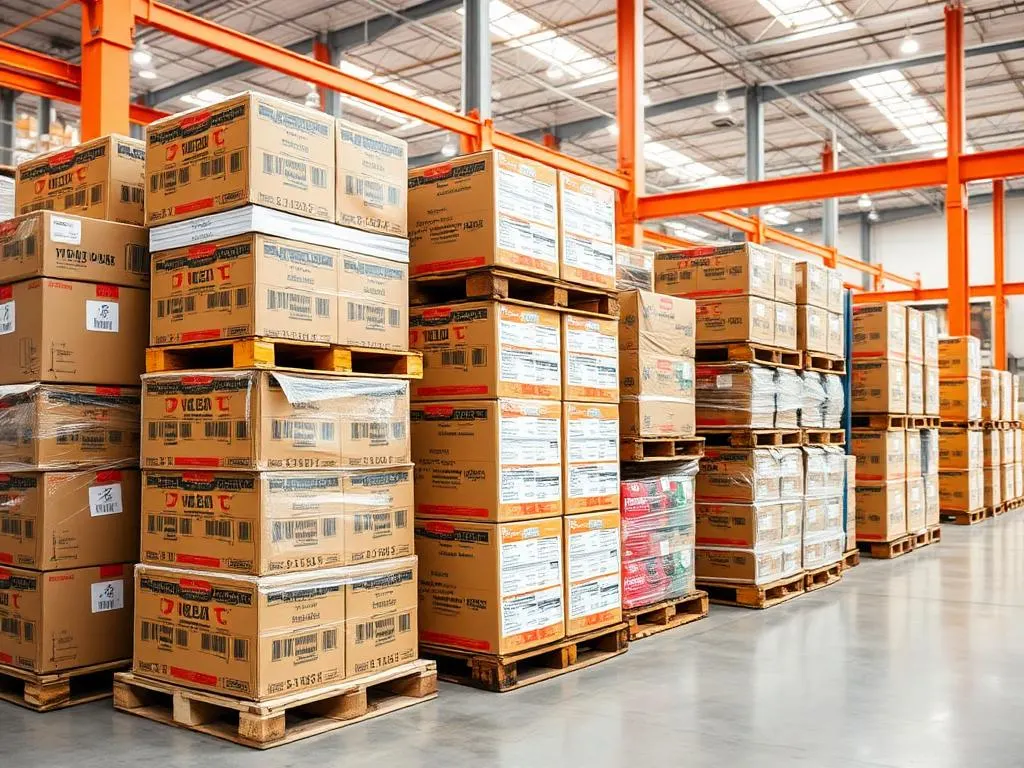
Clearance General Merchandise — Job Lot
New — Damaged Packaging · Job Lot · Ref CL-4412
- Units
- 620
- Pallets
- 5
- Manifest
- Unmanifested
- Location
- West Midlands
- Graded before listing
- Unmanifested lot
- UK delivery or collection
£2,150
≈ £3.47 per unit · ex VAT
Related reading

Buying Guides
Manifested vs unmanifested pallets: what's the difference?
Manifested and unmanifested pallets sit at different points on the risk-and-reward scale. Here's what actually separates them.

Buying Guides
Customer returns explained: Grade A, B, C and beyond
Grading terms like A, B and C are common across the industry, but they aren't standardised. Here's what to actually look for.
Starting a Business
£500, £1,000 or £5,000: what stock could a reseller buy?
Budget shapes strategy as much as category does. Here's how buying approach commonly changes across four typical budget tiers.