
Buying Guides
How to price pallet stock for resale without guessing
Pricing is where a good buy becomes a good business — or doesn't. This guide sets out a method you can apply to every lot you buy, using numbers you already have.
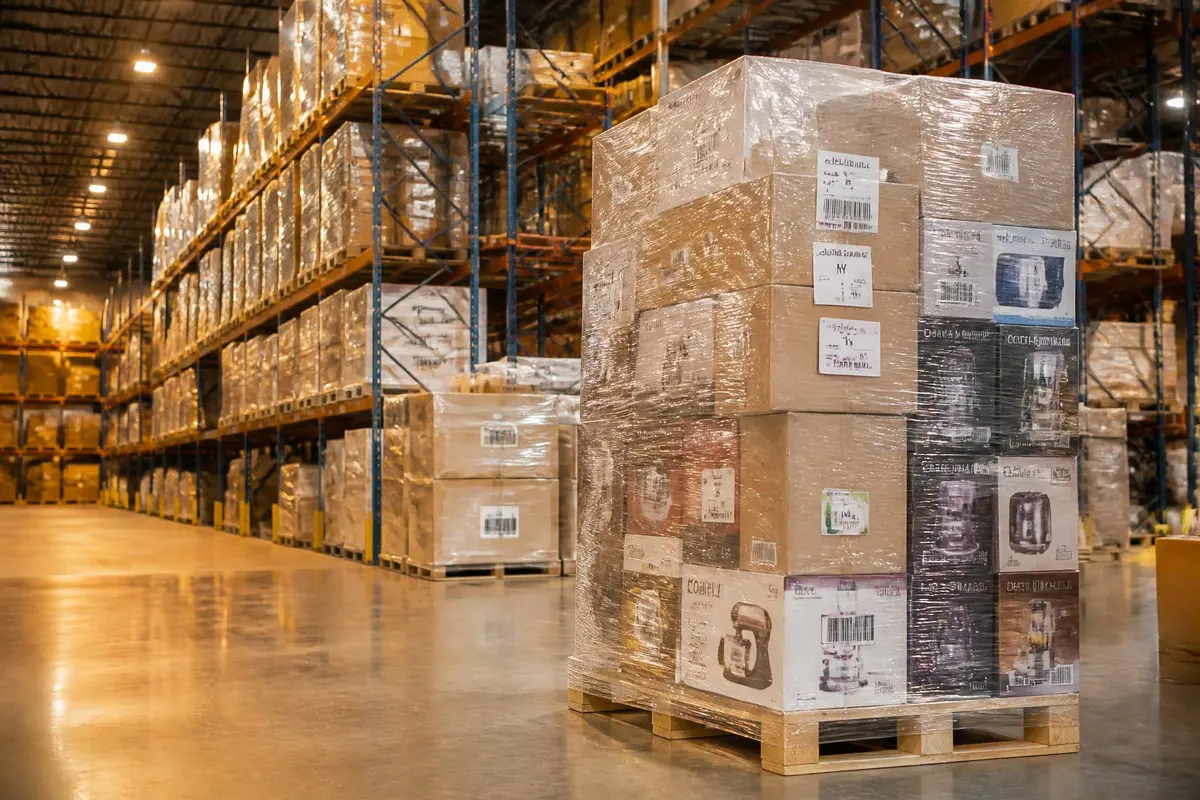
The most common pricing error in reselling is anchoring on retail value. A pallet described as holding £4,000 of retail goods is not a £4,000 asset — it is a quantity of items, a proportion of which will sell, at a proportion of their original price, after costs you have not counted yet.
Step one: landed cost per sellable unit
Add the lot price, delivery, any pallet or handling charge, and your own realistic sorting time valued at whatever you would otherwise earn. Divide by the number of units you expect to be sellable — not the total unit count.
| Line | Amount |
|---|---|
| Lot price | £450 |
| Delivery | £65 |
| Sorting time (4 hours at £15) | £60 |
| Total landed cost | £575 |
| Units on pallet | 180 |
| Expected sellable units (70%) | 126 |
| Landed cost per sellable unit | £4.56 |
That £4.56 is the number to price against. Everything below it loses money, no matter what the item originally retailed for.
Step two: subtract channel costs before you set a price
- Marketplace commission, typically a percentage of the total including postage
- Payment processing where it is charged separately
- Packaging materials per item
- Postage, using real weights rather than optimistic estimates
- An allowance for returns and non-delivery claims
Step three: build in sell-through time
A margin that takes nine months to realise is worse than a smaller margin realised in six weeks, because the slower one ties up both cash and space. Track how long each category takes to clear and treat slow categories as more expensive than they look on paper.
Step four: review after every lot
- 1Record the actual sellable percentage against your estimate
- 2Record the average achieved price against your target
- 3Record how many days it took to clear 80% of the lot
- 4Feed all three back into the next purchase decision
After three or four lots in the same category, these numbers become genuinely predictive — and that predictability is what separates a hobby from a business.
Frequently asked questions
What sell-through rate should I assume?
For graded customer returns, many resellers plan on 60–80% of units being sellable in some form. Use the low end until your own records tell you otherwise for that category and supplier.
Should I include my own time as a cost?
Yes. Ignoring it makes low-value, high-handling stock look profitable when it is not.
Useful next steps
Browse available stock
Pallets, job lots and full loads currently available through Palletise.
Stock alerts
Don’t miss the next stock drop
Get Palletise stock alerts, seller stories and buying guides sent to your inbox.
Stock you might be interested in
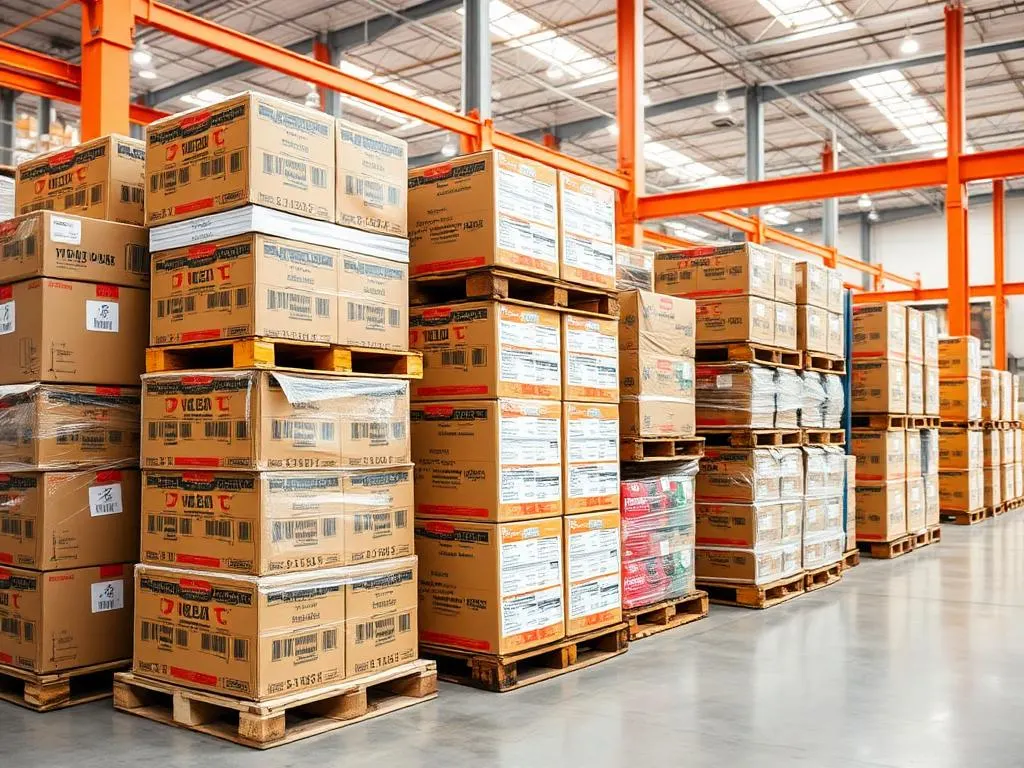
Small Domestic Appliances — Wholesale Carton Lot
New · Case / Carton · Ref WS-2210
- Units
- 480
- Pallets
- 4
- Manifest
- Manifested
- Location
- Yorkshire
- Graded before listing
- Manifest available
- UK delivery or collection
£8,400
≈ £17.50 per unit · ex VAT
End-of-Line Bathroom Products — Full Load
New · Full Load · Ref WS-2244
- Units
- 1,260
- Pallets
- 26
- Manifest
- Manifested
- Location
- East Midlands
- Graded before listing
- Manifest available
- UK delivery or collection
Price on application
Clothing Wholesale Bulk Lot — 12 Pallets
New · Multi-Pallet · Ref WS-2261
- Units
- 5,400
- Pallets
- 12
- Manifest
- Manifested
- Location
- Yorkshire
- Graded before listing
- Manifest available
- UK delivery or collection
£14,500
≈ £2.69 per unit · ex VAT
Related reading
Buying Guides
How to calculate the real resale value of a pallet
RRP tells you almost nothing about what a pallet will actually make you. Here is the calculation experienced resellers use instead.
Starting a Business
£500, £1,000 or £5,000: what stock could a reseller buy?
Budget shapes strategy as much as category does. Here's how buying approach commonly changes across four typical budget tiers.