
Starting a Business
Could you turn pallet reselling into a full-time business?
Pallet reselling can become a full-time business, but it rarely happens by accident. Here is what tends to matter before making the leap.
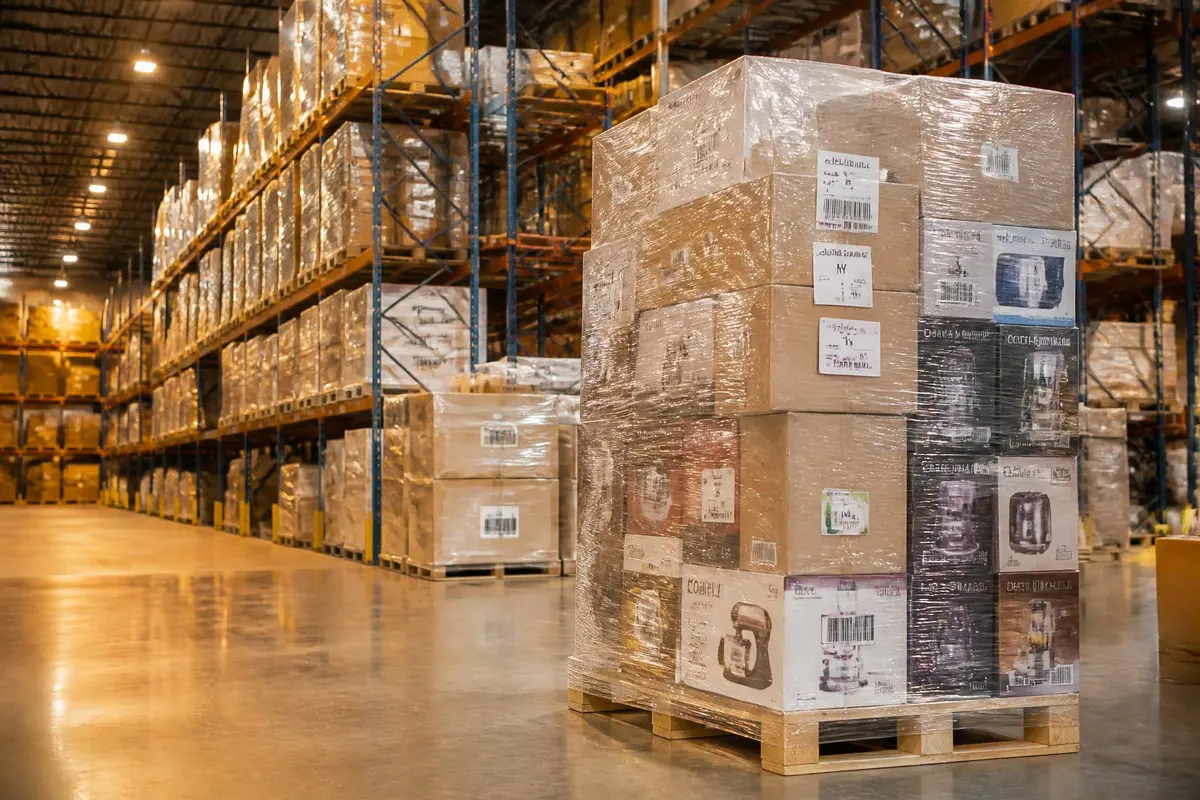
Turning pallet reselling from a side interest into a full-time job is an appealing idea, and for some sellers it becomes a realistic one. But the transition depends on more than enthusiasm. This guide sets out the practical factors worth thinking through before handing in notice.
Capital and cash flow
Buying pallets, paying for transport, and covering marketplace fees all happen before stock is sold. That gap between spending and earning is the single biggest risk for a new full-time reseller. A business that looks profitable on paper can still run into trouble if cash is tied up in unsold stock when a bill is due.
- Keep a cash buffer separate from stock-buying funds
- Avoid committing all available capital to a single large purchase
- Plan for slower-selling categories taking weeks or months to clear
- Separate personal and business finances from the start
Why cash flow trips up new sellers specifically
Salaried income arrives on a fixed date regardless of effort that week. Resale income does not. A pallet bought on a Monday might sell out within days, or might still have items unsold a month later. New full-time sellers sometimes size their spending around an average week rather than a realistic range of weeks, which is where cash flow problems tend to start.
Storage and transport
Pallets take up real space. A garage or spare room might suit an occasional buyer, but a full-time operation usually needs dedicated storage: a unit, lock-up or small warehouse space, plus a reliable way to move pallets in and get parcels out. Delivery and collection options should be factored into cost per pallet, not treated as an afterthought.
It is worth walking through a full pallet's journey before committing to a space: can a pallet truck or trolley get from the delivery point to the storage area, is there room to break a pallet down without blocking access, and is there a dry, secure spot to hold packed parcels awaiting collection. Storage that works for ten pallets a month can become impractical at thirty.
Listing, fees and returns
Every sale involves work: photographing, writing descriptions, listing across one or more marketplaces, and handling buyer questions. Each marketplace also takes a cut, and returns are a normal part of resale trading, particularly with customer returns stock. Testing goods on arrival reduces the risk of reselling something that does not work, and reduces disputes later.
| Cost area | What to check |
|---|---|
| Stock purchase | Cost per pallet against expected resale value |
| Transport | Delivery or collection cost per pallet |
| Storage | Unit or lock-up rent, insurance |
| Marketplace fees | Percentage taken per sale, payment processing |
| Returns | Refunds, re-listing time, damaged stock |
| Tax | Income tax, National Insurance, VAT threshold |
Tax and legal considerations
Once reselling becomes a regular source of income, it is generally treated as self-employment or a small business for tax purposes, and VAT registration may become relevant depending on turnover. These rules change and depend on individual circumstances, so it is worth speaking to an accountant or checking current guidance on GOV.UK before assuming any particular tax treatment applies.
Choosing a business structure
Many resellers start as sole traders because the setup is simple and the reporting requirements are lighter at low turnover. As the business grows, some move to a limited company for reasons around liability, tax planning or supplier relationships. There is no single right answer, and the decision should reflect turnover, risk appetite and future plans, ideally discussed with an accountant rather than decided from general guidance alone.
Time commitment
A full-time reselling business is still a full-time job. Sourcing, unloading, sorting, testing, listing, packing and shipping all take real hours, on top of customer service and admin. Sellers who underestimate this often find the first few months harder than expected.
A rough shape of a working week
- Sourcing and ordering, including checking manifests and comparing stock options
- Receiving, sorting, testing and grading stock as it arrives
- Photography, listing and pricing across chosen marketplaces
- Customer messages, order packing and courier drop-offs
- Bookkeeping, stock reconciliation and basic admin
When not to leave your job yet
- Income from reselling has not been consistent for several months
- There is no cash buffer for a slow month
- Storage and transport costs have not been tested at a realistic scale
- You have not yet sold stock across more than one category or marketplace
None of this is meant to discourage a move to full-time reselling, only to make it a considered one. The sellers who make the transition successfully tend to be the ones who treated the early months as a test, not a guarantee.
Frequently asked questions
Do I need to register as self-employed to resell pallets?
If reselling becomes a regular source of income, it is generally treated as self-employment for tax purposes. Check current guidance on GOV.UK or speak to an accountant for your specific situation.
How much capital do I need to start?
This varies widely depending on pallet size and category. Many sellers start with a single pallet and reinvest returns rather than committing large sums upfront.
Should I set up a limited company straight away?
Not necessarily. Many resellers start as sole traders and only consider a limited company once turnover and risk profile justify it. Speak to an accountant for advice specific to your situation.
Useful next steps
Not sure what to buy first?
Answer six questions and we will match you to suitable stock.
Stock alerts
Don’t miss the next stock drop
Get Palletise stock alerts, seller stories and buying guides sent to your inbox.
Stock you might be interested in
No mixed-pallets stock is currently available — create an account to hear about future drops.
Related reading

Reseller Stories
From the 9–5 to full-time reseller: how one seller built a business from clearance stock
A representative story of how a side-hustle reseller scaled from a single pallet to full-time self-employment, mistakes included.
Starting a Business
£500, £1,000 or £5,000: what stock could a reseller buy?
Budget shapes strategy as much as category does. Here's how buying approach commonly changes across four typical budget tiers.
Starting a Business
The biggest mistakes new pallet resellers make
Most early losses in pallet reselling come from a small set of avoidable errors. Here are ten of the most common, with fixes for each.